Introduction
The people of God need a mature, biblical approach to sickness, disability, chronic conditions, mental suffering, neurodivergence, and healing. Scripture does not treat every condition as identical, so believers must not respond to every condition in the same way. Some afflictions are acute, some are chronic, some involve the mind and emotions, some involve the body, some may involve spiritual oppression, and some reflect the frailty and variation of life in a fallen world.
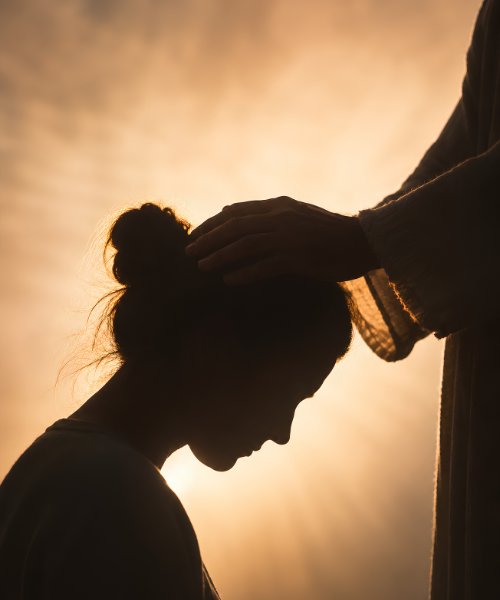
Jesus revealed the Father’s heart by healing the sick, delivering the oppressed, and welcoming those whom society often pushed aside. A faithful Kingdom response must therefore combine discernment, compassion, prayer, truth, practical care, and honor for every person.
The Foundation: God’s Heart Toward the Suffering
Jesus announced His ministry in these words:
“The Spirit of the Lord is on me,
because he has anointed me to preach good news to the poor.
He has sent me to heal the broken hearted,
to proclaim release to the captives,
recovering of sight to the blind,
to deliver those who are crushed,
and to proclaim the acceptable year of the Lord.”
(Luke 4:18–19, WEB)
This means the Kingdom of God moves toward suffering with mercy and authority rather than indifference.
Healing, comfort, restoration, deliverance, and inclusion all belong to Christ’s ministry. The Bible also shows that weakness can remain for a season, and in such times God’s answer may include sustaining grace:
He has said to me, “My grace is sufficient for you, for my power is made perfect in weakness.” Most gladly therefore I will rather glory in my weaknesses, that the power of Christ may rest on me. (2 Corinthians 12:9, WEB)
Therefore, biblical faith does not deny pain, and it does not surrender to despair.
Sickness in a Fallen World
Sickness, weakness, pain, disability, and bodily decay are part of life in a fallen creation. Scripture says:
For the creation was subjected to vanity, not of its own will, but because of him who subjected it, in hope that the creation itself also will be delivered from the bondage of decay into the liberty of the glory of the children of God. For we know that the whole creation groans and travails in pain together until now. (Romans 8:20–22, WEB)
This means human suffering is not the original design of God’s completed redemption, but part of the present brokenness of the world.
At the same time, some forms of sickness are intensified or caused by human choices. Scripture teaches:
Don’t be deceived. God is not mocked, for whatever a man sows, that he will also reap. (Galatians 6:7, WEB)
It also says:
Flee sexual immorality! “Every sin that a man does is outside the body,” but he who commits sexual immorality sins against his own body. Or don’t you know that your body is a temple of the Holy Spirit who is in you, whom you have from God? You are not your own, for you were bought with a price. Therefore glorify God in your body and in your spirit, which are God’s. (1 Corinthians 6:18–20, WEB)
So it is biblically honest to say that some sicknesses may be linked to substance abuse, harmful habits, overwork, sexual sin, violence, neglect, or other destructive patterns.
Yet many sicknesses and disabilities are not self-caused. Jesus rejected the idea that a man born blind must have been suffering because of his own sin or his parents’ sin:
As he passed by, he saw a man blind from birth. His disciples asked him, “Rabbi, who sinned, this man or his parents, that he was born blind?” Jesus answered, “This man didn’t sin, nor did his parents, but that the works of God might be revealed in him. (
John 9:1–3, WEB)
Therefore, the church must reject both extremes: blaming all suffering on personal choices, and denying that choices can sometimes damage the body.
Acute Sickness
Acute sickness includes sudden illness, infection, fever, injury, or short-term physical crisis. In these situations, Scripture encourages direct and expectant prayer:
Is any among you sick? Let him call for the elders of the assembly, and let them pray over him, anointing him with oil in the name of the Lord; and the prayer of faith will heal him who is sick, and the Lord will raise him up. If he has committed sins, he will be forgiven. (James 5:14–15, WEB)
The Gospels repeatedly show Jesus healing people with urgent physical needs:
Jesus went about in all Galilee, teaching in their synagogues, preaching the Good News of the Kingdom, and healing every disease and every sickness among the people. (Matthew 4:23, WEB)
Acute sickness should therefore be met with prompt prayer, wise care, and peaceful trust in God rather than panic.
Biblical approach to acute sickness
-
Pray promptly and specifically for healing.
-
Invite mature believers to stand in agreement.
-
Use practical care while trusting God’s mercy.
-
Medical treatment is allowed for ordinary physical illness, infection, injury, and emergency care, and may be received with gratitude as part of God’s provision.
-
Do not turn delay into despair if recovery is not immediate.
Chronic Sickness
Chronic sickness continues over time and may involve long-term weakness, pain, fatigue, inflammation, recurring symptoms, limitation, or conditions that require ongoing monitoring and treatment. This kind of suffering often tests not only the body but also hope, patience, finances, family life, and the support structures around the person.
Cancer usually fits best under chronic sickness because it often involves long-term treatment, repeated testing, seasons of stability or crisis, remission, relapse, and ongoing physical and emotional strain. Some cancers may begin or progress acutely, but as a general framework cancer is best approached as a chronic condition requiring prayer, medical care, endurance, and sustained support.
Paul’s testimony is important here. He sought relief, yet the answer he received was:
He has said to me, “My grace is sufficient for you, for my power is made perfect in weakness.” Most gladly therefore I will rather glory in my weaknesses, that the power of Christ may rest on me. (2 Corinthians 12:9, WEB)
This shows that ongoing weakness is not proof of divine abandonment. Sometimes healing comes suddenly, but at other times grace sustains the believer through a long season.
Biblical approach to chronic sickness
-
Continue to pray for healing without making healing a test of spiritual value.
-
Support the sufferer with patience, honor, and practical love.
-
Medical treatment, medication, chemotherapy, surgery, rehabilitation, long-term management, and supportive therapies are allowed and may be part of wise stewardship in chronic conditions, including cancer.
-
Refuse shame-based theology that blames the person for not improving quickly.
-
Leave room for miracle, gradual improvement, and sustaining grace.
Mental and Emotional Suffering
Mental and emotional suffering includes anxiety, depression, trauma-related struggles, panic, obsessive patterns, emotional breakdown, severe distress, paranoia, and other forms of inner suffering. Conditions such as schizophrenia, bipolar disorder, dissociative identity disorder, paranoia, and related psychiatric or trauma-linked conditions belong primarily in this section.
Scripture recognizes the wholeness of the person, speaking of spirit, soul, and body together:
May the God of peace himself sanctify you completely. May your whole spirit, soul, and body be preserved blameless at the coming of our Lord Jesus Christ. (
1 Thessalonians 5:23, WEB)
This means the inner life matters deeply to God. Not every wound is visible, and not every person can be helped by simplistic spiritual language alone. The renewal of the mind is biblical, but it should not be misused to silence real suffering.
The Bible also says:
For God didn’t give us a spirit of fear, but of power, love, and self-control. (2 Timothy 1:7, WEB)
And:
Yahweh is near to those who have a broken heart, and saves those who have a crushed spirit. (Psalm 34:18, WEB)
These verses remind us that God draws near to people in deep psychological and emotional distress.
Biblical approach to mental and emotional suffering
-
Minister with compassion, not suspicion or shame.
-
Pray for peace, soundness, comfort, and restoration.
-
Encourage truthful thinking and renewal of the mind without denying pain.
-
Counseling, therapy, and medical treatment are allowed where the issue is not demonic in origin and where practical support is needed.
-
Welcome pastoral care together with wise professional help when needed.
-
Avoid assigning every severe mental illness to sin or demonization.
Demonic Oppression and Possession
Scripture plainly shows that some afflictions involve unclean spirits. Jesus ministered not only to the sick, but also to those oppressed or possessed by demons. In Luke 13, Jesus described a woman as having been bound by Satan for eighteen years:
Ought not this woman, being a daughter of Abraham whom Satan had bound eighteen long years, be freed from this bondage on the Sabbath day?” (Luke 13:16, WEB)
However, the Bible does not permit careless labeling. Not every sickness is demonic, and not every difficult condition is possession. Jesus rejected simplistic blame in the case of the man born blind. Discernment is therefore essential.
Biblical approach to spiritual oppression
-
Exercise discernment rather than assuming a spiritual cause in every case.
-
Confront demonic oppression in the authority of Jesus Christ.
-
If the root is truly demonic, the primary response is deliverance, prayer, repentance where needed, and spiritual authority rather than relying on medical treatment as the main solution.
-
Do not replace wise pastoral care with fear or sensationalism.
-
After deliverance, care for the person’s restoration, peace, and discipleship.
Genetic Conditions
Genetic conditions are not moral failures, curses, or proof of rejection. Scripture says of God:
For you formed my inmost being. You knit me together in my mother’s womb. (Psalm 139:13, WEB)
Human life carries dignity and divine intention even in weakness, complexity, or inherited limitation. Jesus also rejected the assumption that a congenital condition must be explained by personal or parental sin.
This means believers must stop speaking as if every inherited condition is divine punishment. God may heal, strengthen, sustain, or reveal His works in a person’s life, but the person must be honored from the beginning.
Biblical approach to genetic conditions
-
Reject condemnation and inherited-shame language.
-
Affirm the person’s dignity as one formed by God.
-
Medical care, therapies, adaptive support, and long-term treatment are allowed in the management of genetic conditions.
-
Pray for healing while honoring the person whether visible change is immediate, gradual, or absent.
-
Support families with practical love rather than accusation.
Disability From Birth, Accident, or Disease
A disability is any physical, sensory, cognitive, developmental, or mental condition that can limit a person’s ability to do some activities, interact with their environment, or participate in life in the same way as others. Disability does not mean a person is less valuable, less spiritual, or less able to bear God’s image. It simply means they live with a limitation or difference that may require support, adaptation, or accommodation.
A disability is a condition that creates a functional limitation in a person’s daily life. It may affect movement, speech, hearing, vision, memory, learning, communication, energy, coordination, or other areas of functioning. A disability may be present from birth, arise after an accident or illness, or develop over time.
Disabilities may be static or dynamic.
Static disabilities are generally stable and do not change much over time. The condition may remain largely the same, even if the person learns ways to adapt. Examples might include certain congenital conditions, spinal cord injuries, limb differences, or permanent sensory loss.
Dynamic disabilities can fluctuate over time. Symptoms may get better or worse depending on stress, fatigue, treatment, environment, or disease progression. Examples might include multiple sclerosis, chronic fatigue conditions, autoimmune illnesses, some mental health conditions, or other conditions where functioning changes from day to day or season to season.
A biblical response to disability is not pity without honor, but dignity, inclusion, and practical love. Some disabilities may be healed, some may be improved, and some may remain, but every person remains fully worthy of care and respect.
But when you make a feast, ask the poor, the maimed, the lame, or the blind; and you will be blessed, because they don’t have the resources to repay you. For you will be repaid in the resurrection of the righteous.” (Luke 14:13–14, WEB)
Paul also teaches that the parts of the body that seem weaker are indispensable and worthy of special honor:
No, much rather, those members of the body which seem to be weaker are necessary. Those parts of the body which we think to be less honorable, on those we bestow more abundant honor; and our unpresentable parts have more abundant modesty, while our presentable parts have no such need. But God composed the body together, giving more abundant honor to the inferior part, that there should be no division in the body, but that the members should have the same care for one another. When one member suffers, all the members suffer with it. When one member is honored, all the members rejoice with it. (1 Corinthians 12:22–26, WEB)
This is a major Kingdom correction. Disabled people are not marginal to the church; they are indispensable members of Christ’s body. Healing prayer is right, but so are honor, access, belonging, and practical inclusion.
Biblical approach to disability
-
Honor the person before discussing healing or change.
-
Build communities that include, not merely observe, disabled people.
-
Medical treatment, rehabilitation, mobility support, adaptive tools, and practical assistance are allowed for disabilities resulting from birth conditions, accidents, or disease.
-
Pray for healing without denying the person’s present dignity, gifts, and calling.
-
Remember that the body of Christ must give special honor where the world often withholds it.
Neurodivergence
Neurodivergence refers to enduring differences in how a person processes, communicates, learns, focuses, feels, or experiences the world. It is not a sickness, but some neurodivergent conditions are described by experts as neurodevelopmental disorders, especially when they cause significant impairment or distress. In extreme cases, they may require medical, psychological, educational, or practical support.
Scripture does not use modern diagnostic labels for this category, so biblical teaching must be careful and humble. It is unwise to treat every neurological difference as sin, demonization, or defect needing erasure.
The Bible teaches that every person is made by God and that the body has diverse members with different forms of strength and function. It also teaches that the whole person belongs to God’s sanctifying work. Therefore, neurodivergent believers should not be shamed for processing life differently, while remaining open to growth, healing where needed, wise support, and loving accommodation.
Biblical approach to neurodivergence
-
Begin with dignity, not fear.
-
Distinguish between difference, suffering, and spiritual bondage.
-
Support the person’s growth with patience, structure, understanding, and honor.
-
Supportive care, counseling, coaching, educational help, and medical evaluation or treatment are allowed where needed, so long as neurodivergence itself is not falsely treated as moral failure or automatic demonization.
-
Pray for God’s wisdom and help without forcing the person into someone else’s mold.
Does God Allow Medical and Medicinal Treatment?
Scripture does not present medicine as the enemy of faith. Luke is called “the beloved physician,” showing that a medical profession could exist honorably among the close companions of apostolic ministry:
Luke the beloved physician and Demas greet you. (Colossians 4:14, WEB)
Paul also told Timothy:
Be no longer a drinker of water only, but use a little wine for your stomach’s sake and your frequent infirmities. (1 Timothy 5:23, WEB)
The Good Samaritan also bandaged wounds and poured on oil and wine as part of care:
came to him, and bound up his wounds, pouring on oil and wine. He set him on his own animal, brought him to an inn, and took care of him. (Luke 10:34, WEB)
This means believers may pray fervently and also receive doctors, medicine, therapy, surgery, rehabilitation, counseling, and other forms of treatment with thanksgiving and discernment in conditions that are physical, mental, developmental, genetic, chronic, disability-related, or cancer-related. When a condition is truly rooted in demonic oppression or possession, however, the primary response should be spiritual discernment and deliverance rather than treating the issue as merely medical.
Biblical approach to treatment
-
Pray first and continue in prayer.
-
Receive medical care as a possible provision of God’s mercy for non-demonic conditions.
-
Avoid pride that rejects help for the sake of appearing spiritual.
-
Avoid idolatry of medicine by keeping trust anchored in God.
-
Use spiritual discernment when symptoms may involve oppression rather than assuming every issue is purely medical or purely demonic.
The Error of Blame
One of the cruelest responses to suffering is blame. Jesus directly rejected the assumption that the man born blind or his parents must have sinned to cause his condition. This is central for any Kingdom theology of healing. The suffering person is not a target for accusation.
At the same time, biblical honesty allows the recognition that human choices can sometimes contribute to bodily harm. The church must therefore tell the truth without becoming harsh: some suffering is worsened by destructive choices, but much suffering is simply part of life in a groaning creation.
Living in the “Already” and the “Not Yet”
The Kingdom has already broken into history through Jesus, so healing, deliverance, and restoration are real now. Yet the final removal of pain still belongs to the age to come, when God will wipe away every tear, and death, mourning, crying, and pain will be no more.
This tension protects believers from triumphalism and from hopelessness. The church should pray boldly for miracles today while also standing faithfully with those who are still waiting for full restoration.
A Mature Kingdom Posture
A mature Kingdom posture toward sickness, disability, neurodivergence, and healing includes several commitments.
-
Pray boldly for healing and freedom.
-
Exercise discernment rather than forcing one explanation onto every condition.
-
Honor people with disabilities, chronic illness, genetic conditions, neurodivergent traits, and cancer diagnoses as indispensable members of Christ’s body.
-
Welcome medical treatment, practical care, and wise support without shame in non-demonic conditions.
-
Resist condemnation, blame, fear, and spiritual showmanship.
-
Hold fast to the final hope of complete restoration in God’s coming Kingdom.
Closing Exhortation
The Kingdom of God does not teach indifference to suffering, nor does it permit harsh judgment against those who carry it. Christ calls His people to become communities of healing, truth, inclusion, courage, deliverance, patient love, and wise discernment. Some need miraculous healing, some need long obedience with grace, some need deliverance, some need treatment, and all need to be honored as people of God-given dignity.
We pray for healing, we trust God’s power, and we welcome every kind of help He provides. Yet we also recognize that not everyone will experience complete healing in this life. Some conditions remain, some improve over time, and some are carried by grace until the day of full redemption. Our ultimate hope is not merely for temporary relief, but for the coming restoration when Christ will wipe away every tear and there will be no more pain.