This site includes links from a number of different display ads/affiliate programs. When you click on a link and make a purchase, we may earn a commission. Please be aware that some of the display ads may not be appropriate for Christians.
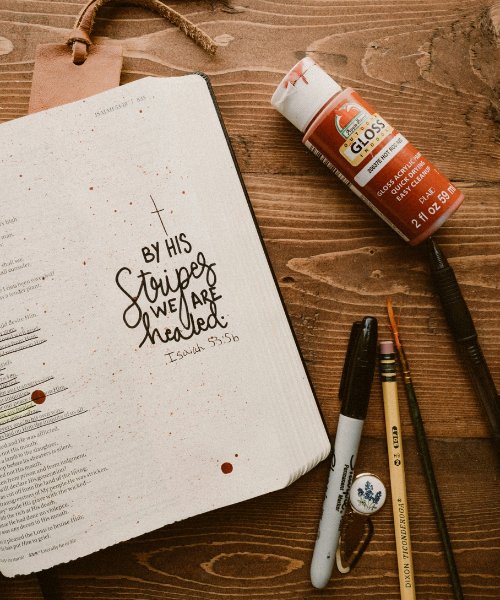
Bible journaling is a beautiful way to combine your faith with your creativity. It allows you to visually express your reflections on scripture, making your Bible study sessions more engaging and meaningful. Whether you are a seasoned artist or a complete beginner, Bible journaling offers a unique and personal way to connect with God’s Word. In this post, we will explore the essential tools and techniques to get you started on your Bible journaling journey.
What is Bible Journaling?
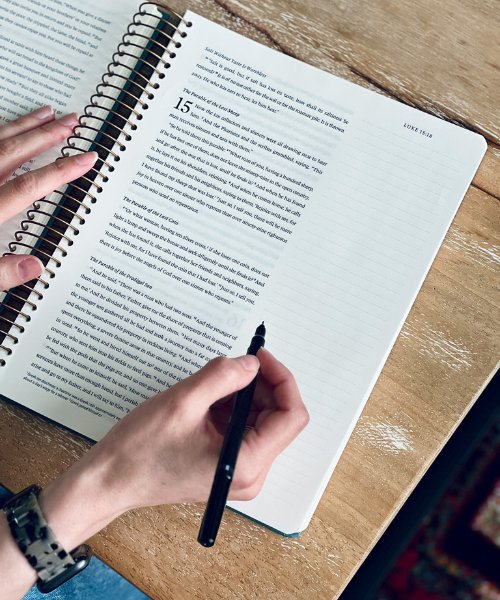
Bible journaling is a creative and interactive way to engage with scripture. It involves incorporating art and personal reflections directly into your Bible or a separate journal dedicated to your spiritual journey. This practice not only enhances your understanding and connection with the Bible but also allows for a unique form of worship and meditation. Here’s a deeper look into what Bible journaling entails:
The Concept of Bible Journaling
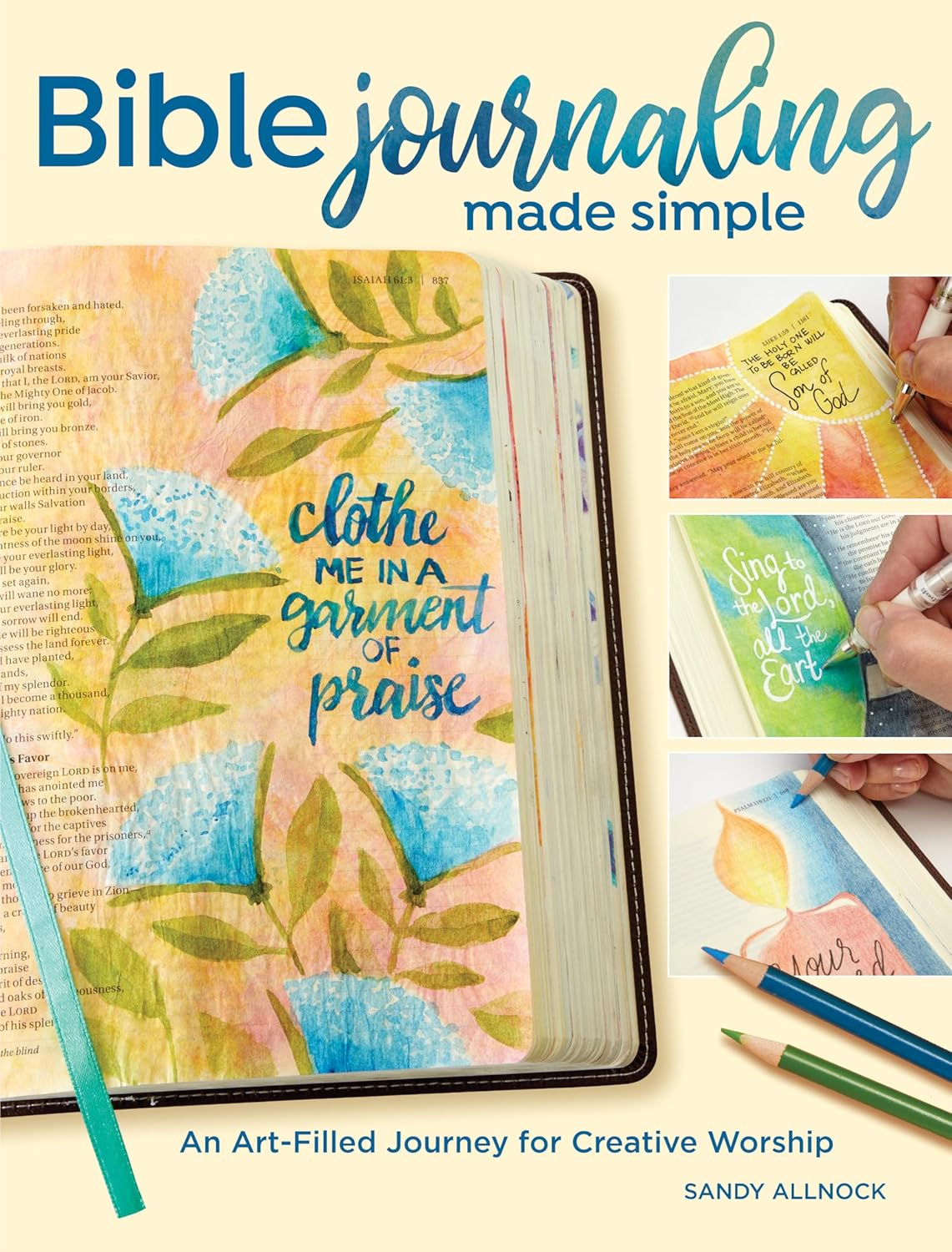
Bible journaling combines the traditional practice of scripture study with artistic expression. It is a method that invites believers to slow down, meditate, and creatively reflect on God’s Word. This practice can include a variety of artistic techniques such as doodling, drawing, painting, handlettering, and collage.
Types of Bible Journals
- Traditional Journaling Bibles: These Bibles are specifically designed for journaling, with wide margins or blank pages interspersed throughout the text. This extra space allows for extensive note-taking and artistic expression.
- Separate Art Journals: Some people prefer to keep their Bible and art separate, using a sketchbook or journal to document their reflections and artwork related to scripture.
- Digital Bible Journaling: With the advent of technology, many are turning to digital tools. Apps and digital tablets can be used to create Bible art, offering the flexibility to use various digital tools and effects.
Pros and Cons of Bible Journaling
Pros
- Enhanced Engagement with Scripture: Bible journaling encourages a deeper connection with the Bible as you spend time reflecting on and illustrating the verses.
- Creative Expression: It provides an outlet for artistic talents and creativity, allowing individuals to worship and meditate in a unique way.
- Personal Reflection: Journaling can help you document your spiritual journey, thoughts, and prayers, making your study more personal and meaningful.
- Memorization Aid: Drawing and writing out scripture can aid in memorization and retention of verses.
- Stress Relief: The process of creating art can be therapeutic and reduce stress, promoting mental well-being.
- Community Building: Sharing your work and participating in Bible journaling groups can foster a sense of community and support among like-minded individuals.
- Potential for Distraction: The focus on art and creativity might distract from the primary goal of understanding and reflecting on scripture.
- Bible Damage: Using various art supplies in your Bible can lead to bleeding, tearing, or other damage to the pages.
- Intimidation for Beginners: Those who are not confident in their artistic abilities may feel discouraged or overwhelmed.
- Material Costs: High-quality journaling supplies can be expensive, potentially making it less accessible for some people.
- Misinterpretation Risk: Emphasis on artistic interpretation might lead to misrepresentation or misunderstanding of the scripture’s original context and meaning.
Alignment with Biblical Principles
Bible journaling can align well with Biblical principles if done with the right intent and focus. Here’s how it can fit:
- Meditation on Scripture: Psalm 1:2 encourages delight and meditation on God’s law. Bible journaling, which involves deeply reflecting on scripture, aligns with this principle.
- Creativity and Worship: Ephesians 2:10 says we are God’s handiwork, created to do good works. Using our creativity to honor and worship God through journaling can be seen as an extension of this principle.
- Encouragement and Edification: Hebrews 10:24-25 speaks about encouraging one another. Sharing Bible journaling creations can inspire and uplift others in their faith.
- Personal Devotion: Joshua 1:8 emphasizes the importance of keeping the Book of the Law always on our lips and meditating on it day and night. Bible journaling can help maintain a consistent devotional practice.
However, it’s important to keep the following in mind:
- Intent and Focus: Ensure that the primary focus remains on understanding and internalizing God’s Word rather than merely creating art (Colossians 3:17).
- Humility and Reverence: Approach Bible journaling with a humble heart, recognizing the sacredness of the scripture (Isaiah 66:2).
In summary, Bible journaling can be a beneficial and Biblically aligned practice when it enhances engagement with scripture and fosters spiritual growth, keeping the focus on God’s Word and intent.
Essential Tools for Bible Journaling
- A Journaling Bible: Look for a Bible with wide margins or dedicated journaling space. This gives you ample room to create your art and write notes.

- Pencils and Erasers: Start with light pencil sketches. Erasers help you correct mistakes without damaging your Bible’s pages.


- Micron Pens and Fineliners: These pens are great for outlining and adding details. They are archival-quality, meaning they won’t bleed through the pages.

- Colored Pencils: These are perfect for adding color without bleeding through thin Bible pages.

- Watercolors: If you prefer a painterly look, watercolors can add vibrant color to your pages. Just be sure to use a minimal amount of water to prevent wrinkling the paper.

- Brush Pens and Markers: Great for calligraphy and bold strokes, brush pens come in a variety of colors and tip sizes.

- Washi Tape: Decorative tape can add a pop of color and design without being permanent. It’s perfect for creating borders or attaching additional notes.

- Stencils and Stamps: These can help if you’re not confident in your drawing skills. They offer a quick way to add designs and shapes.


- Stickers and Ephemera: Pre-made stickers and decorative elements can save time and add variety to your pages.


- Glue and Adhesives: For attaching paper elements or adding layers to your pages.

Basic Techniques for Bible Journaling
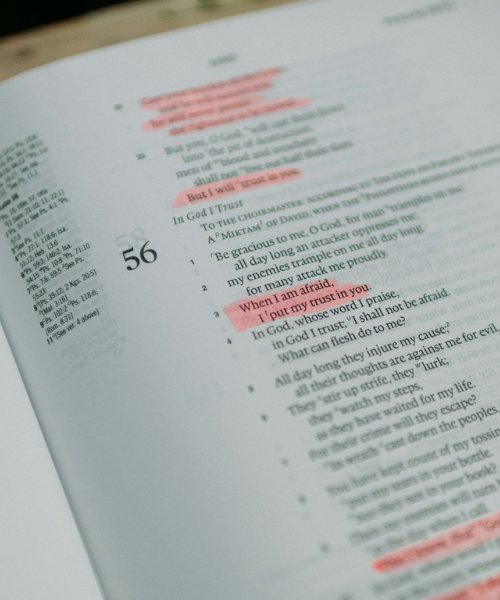
- Highlighting and Underlining: Simple yet effective, use different colors to highlight verses that stand out to you. Underline key phrases for emphasis.
- Handlettering and Calligraphy: Practice writing out verses or key words in beautiful handlettering. This can make the text feel more personal and significant.
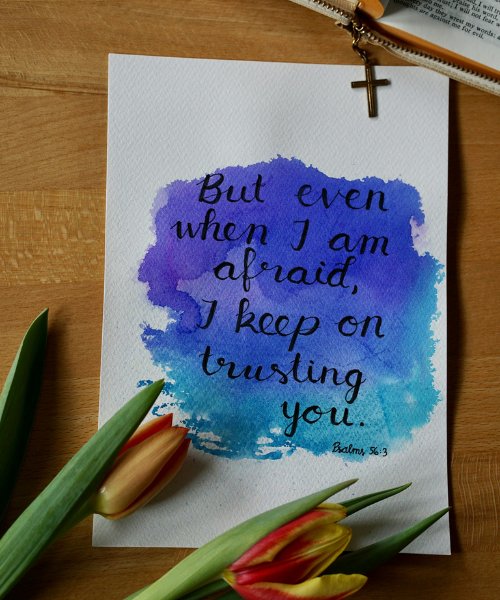
- Doodling and Drawing: Draw symbols, images, or scenes that represent the scripture you’re reading. This could be as simple as a small heart or as detailed as a full-page illustration.
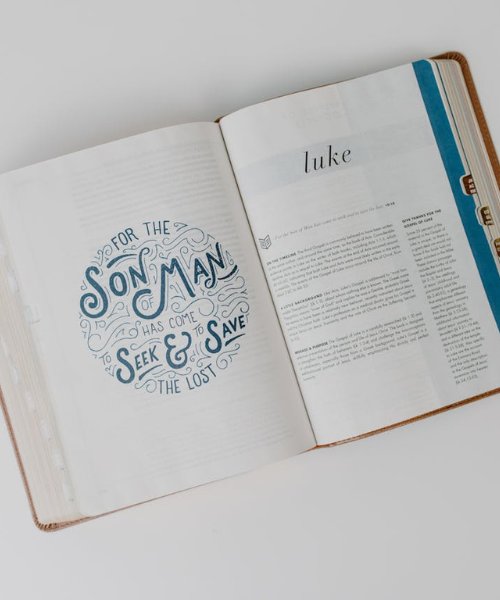
- Mixed Media Collage: Combine various materials like paper cutouts, fabric, and paint to create a rich, textured look.
- Watercolor Washes: Apply a light wash of watercolor to the background of your page. This can make the text pop and add a serene, artistic touch.
- Margin Art: Use the margins of your Bible to create intricate designs or small sketches that complement the scripture.
- Stenciling: Use stencils to add consistent patterns or lettering to your pages. This is a great way to ensure neatness if you’re not confident in freehand drawing.
- Stamping: Apply ink to stamps to add images or patterns quickly and easily. Stamps are reusable and come in many designs.
Tips for Beginners
- Start Simple: Begin with basic tools like pencils and colored pencils before moving on to more complex techniques and materials.
- Practice on Scrap Paper: Before working directly in your Bible, practice your designs and handlettering on scrap paper.
- Take Your Time: Bible journaling is not a race. Take your time to reflect on the scripture and let your creativity flow naturally.
- Join a Community: Look for online groups or local meetups where you can share your work and get inspiration from others.



Conclusion
Bible journaling is a rewarding and enriching way to engage with your faith. By using a variety of tools and techniques, you can create a visual representation of your spiritual journey. Remember, the goal is not to create perfect art but to deepen your connection with God’s Word through creativity. So gather your supplies, open your Bible, and start journaling today!
Pin to Pinterest! 

Welcome to Wisdom From Heaven, my Kingdom-focused online ministry rooted in Scripture.
My mission is to help you and your family live faithfully in God’s Kingdom through devotionals, Christian creative resources, expressive & therapeutic arts, the classics, Kingdom Ministry training, Christian online income ideas, and creation wonders. Through these devotional-style resources, I support your spiritual growth and provide guidance for Kingdom living in areas such as health and wellness, work, finances, relationships, marriage, family life, and parenting – always in alignment with the Word of God.
I’m a disciple and servant of Jesus Christ (Prophetic and Pastoral Scribe) sharing the Gospel online. I’m also a wife, mom, teacher, author, Christian Life Coach, Creative Entrepreneur, and Online Business Coach.
ABOUT OUR MINISTRY
We are a non-denominational Bible-believing Christian Ministry trained and equipped at the Christian Leaders Institute and Axx Bible College. Even though our Ministry is based on God's Word, the Bible, you need to approach our teachings like the Bereans and always study the Bible yourself to see if what we teach is aligned with what is written in the Bible.
Now the Berean Jews were of more noble character than those in Thessalonica, for they received the message with great eagerness and examined the Scriptures every day to see if what Paul said was true. Acts 17:11 NIV
We are only humans who 'stumble in many ways' (James 3:2) and we only 'know in part and we prophesy in part' (1 Corinthians 13:9).

LEGAL DISCLAIMER
The content provided on this blog is for educational and informational purposes only. The blog owner, Janet Giessl, also known under her anointed pen name Janetta Setherah, is a Certified Christian Life Coach and Ordained Minister with the Christian Leaders Alliance and holds degrees in Education and Christian Leadership, along with credentials in Bible, Ministry, Philosophy, and Theology. However, Janet is not a medical doctor, licensed therapist or health care professional. The information presented on this platform is not intended to treat, cure, diagnose, or prevent any disease. It is essential to understand that the content offered here is not a substitute for professional advice, whether medical, legal, financial, or from any other professional field.
Spiritual matters and personal well-being are deeply personal and can have profound effects on individuals. We strongly recommend seeking guidance from qualified professionals and prayerfully considering your own circumstances when making significant decisions in your life. The content on this blog is meant to offer insights and inspiration based on biblical principles, but it is not a replacement for professional assistance or personalized advice.
Always consult with appropriate professionals for your specific needs and circumstances.
NOTICE OF COPYRIGHT FOR QUOTING BIBLE VERSES FROM ESV
Scripture quotations are from the ESV® Bible (The Holy Bible, English Standard Version®), © 2001 by Crossway, a publishing ministry of Good News Publishers. ESV Text Edition: 2025. The ESV text may not be quoted in any publication made available to the public by a Creative Commons license. The ESV may not be translated in whole or in part into any other language. Used by permission. All rights reserved.
NOTICE OF COPYRIGHT FOR QUOTING BIBLE VERSES FROM WEB
The World English Bible (WEB) is a Public Domain (no copyright) Modern English translation of the Holy Bible. That means that you may freely copy it in any form, including electronic and print formats. The World English Bible is based on the American Standard Version of the Holy Bible first published in 1901, the Biblia Hebraica Stutgartensa Old Testament, and the Greek Majority Text New Testament. It is in draft form, and currently being edited for accuracy and readability.
